REVIEW · BISHKEK
5 days sightseeing and skiing trip in Kyrgyzstan
Book on Viator →Operated by Kyrgyz Nature Travel Company · Bookable on Viator
Five days can change your pace fast. This Bishkek-to-the-mountains trip mixes Silk Road heritage with proper skiing days, so you get culture, gorges, and snow in one smooth circle. What I like most is the way it strings together big highlights like Burana and Karakol with active time on the slopes, not just photo stops. I also like that the package handles the practical stuff—ski equipment plus transport—so you spend more time outside and less time figuring logistics. One thing to consider: the mountains can be cold, and you’ll want proper layers because winter weather moves quickly.
The itinerary also stays smart about variety. You do short museum-and-park style stops on some days, then you get more movement when it counts, like the ski day up around a 3040m viewpoint. If you’re hoping for a warm, slow vacation with zero exertion, you may find the drives long and the weather demanding.
In This Review
- Key highlights for this Bishkek to Karakol skiing route
- Why this Kyrgyz winter trip works: culture plus snow
- Price and what $600 really buys
- Day 1: Burana Tower to Chon-Kemin National Park
- Day 2: Karakol city time and the Dungan Mosque
- Day 3: Karakol ski resort day with a pass to ~3040m
- Day 4: Djeti-Oguz and Barskoon gorges in one rugged road day
- Day 5: Skazka Canyon after Tosor, with time to wander
- How the included meals and transport change your day
- Gear and packing: what cold nights mean here
- Best fit: who should book this 5-day Kyrgyzstan package
- If you’re deciding today: should you book?
- FAQ
- How long is the Kyrgyzstan trip?
- Where does the trip start?
- Is pickup offered?
- Is this a private tour?
- What’s included for skiing?
- Are meals included?
- Are entrance fees included?
- What should I bring for winter conditions?
- What is not included in the price?
- Can I cancel and get a full refund?
Key highlights for this Bishkek to Karakol skiing route
- Burana Tower museum time with entry included, so it’s more than a quick roadside look
- Chon-Kemin National Park booked for a solid block of time at mid-to-high altitude
- Karakol ski day with a pass to the top zone around 3040m, plus instruction
- Jeti-Oguz and other gorges paired with road access for views without heavy hiking
- Canyon Skazka timed for a long visit, after the Tosor turn toward the Terskey Ala-Too mountains
Why this Kyrgyz winter trip works: culture plus snow
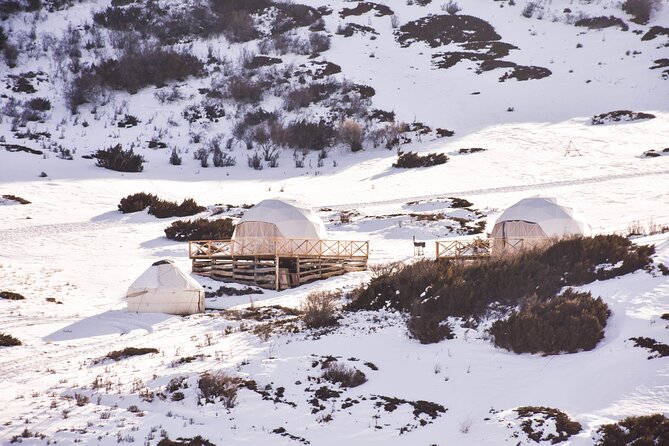
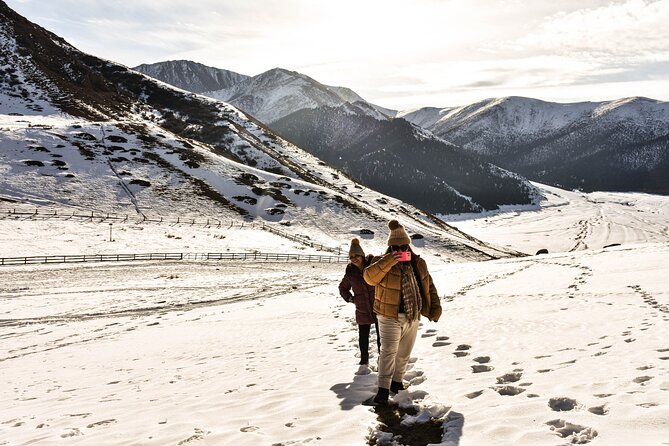
Kyrgyzstan in winter rewards people who want both: the story of the land and the feel of the snow. This 5-day route starts in Bishkek and then pushes east through the old trade corridors toward the Issyk-Kul region, with day trips that keep your eyes busy. You’ll spend time at archaeological and cultural stops, then swap in glaciers-and-rocks scenery for the skiing and canyon days.
I like the pacing here. It doesn’t pretend every day is the same kind of effort. Some days are about exploring—museums, mosque architecture, and national park viewpoints. Other days are about motion: climbing to the ski area, then skiing with an instructor, and finally getting out to see gorges where the rock shapes are the main event.
Price and what $600 really buys
$600 per person for about 5 days isn’t just a ticket price—it’s a “pre-paid convenience” bundle. Your money covers private transportation in an air-conditioned vehicle, plus all fees and taxes and the ski equipment. On top of that, breakfasts and dinners are included for most of the trip (4 breakfasts and 3 dinners), which matters in a winter plan when you don’t want to gamble on meal options at the wrong time.
You’ll still handle a few personal costs, like mineral water and laundry, and alcohol drinks aren’t included. That’s normal. The bigger value check is: you’re paying so you don’t spend energy on gear rentals, entrance fees, and day-by-day scheduling. In winter, that kind of “less thinking” can be the difference between a stressful trip and a fun one.
Day 1: Burana Tower to Chon-Kemin National Park
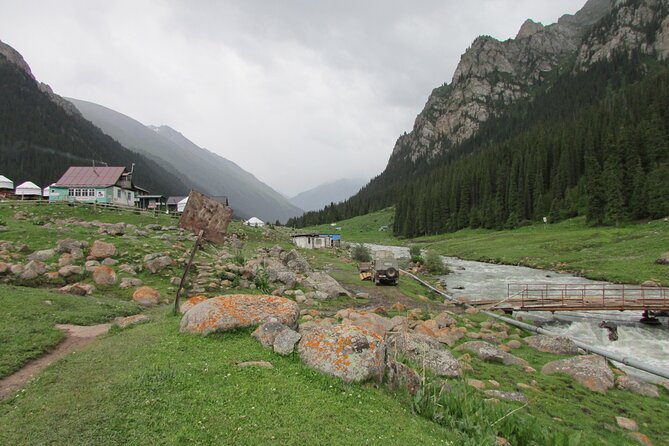
Day 1 starts with Burana Tower, one of Kyrgyzstan’s most recognizable archaeological stops. You’ll get about an hour there, with admission ticket included. Burana is a site where the past is physically present. Even if you’re not a history nerd, it’s worth it because you can actually see how the region’s story has layered over time—trade routes, settlements, and cultural shifts tied to this wide Silk Road corridor.
After that, you move on to Chon-Kemin National Park, where the plan gives you a long block of time—about 4 hours—with entry included. The key thing here is altitude and air feel. The park spans from roughly 1400m up to 2800m, so your body may notice the difference right away. That’s why I like that Day 1 includes time rather than rushing through the park like a drive-by.
What to expect day-to-day: a mix of guided-style time and open wandering to take in the park terrain. The drive east also helps you settle into the trip’s rhythm—less “check off stops,” more “start understanding the geography.”
Potential consideration: Day 1 can feel like a shift from city energy to mountain pace in the same day. If you’re sensitive to cold or thin air, go easy during the first hours outside.
Day 2: Karakol city time and the Dungan Mosque
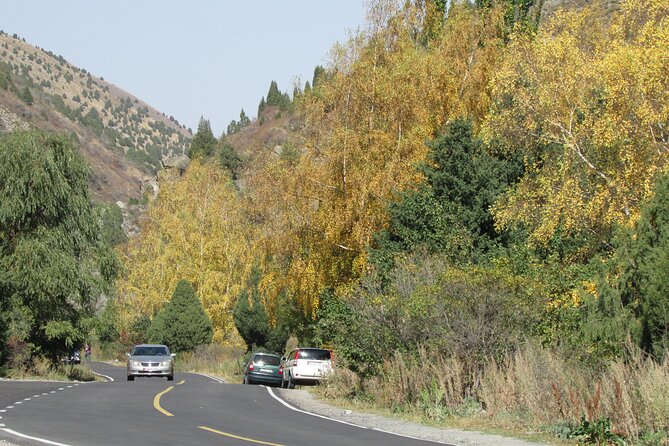
Karakol is one of the main hubs on Kyrgyzstan’s eastern side, near the Issyk-Kul region. Here, the schedule gives you around 5 hours, with admission listed as free for the city portion. This is your reset day in a way. You’re not trying to conquer mountains; you’re absorbing a town that feels shaped by different waves of people and travel.
One cultural highlight is the Dungan Mosque. You’ll have about 30 minutes here with admission ticket included. The Dungans arrived after political unrest in China, and in Kyrgyzstan their arrival helped diversify the local community. That short visit can do more than you think: it gives you a sense of how Central Asia was never one single culture in a single timeline.
Practical tip: keep your scarf and warm layer handy even if the sun is bright. In Karakol-area winter, indoor warmth and outdoor cold can swing quickly, especially if you’re moving between viewpoints and buildings.
Day 3: Karakol ski resort day with a pass to ~3040m
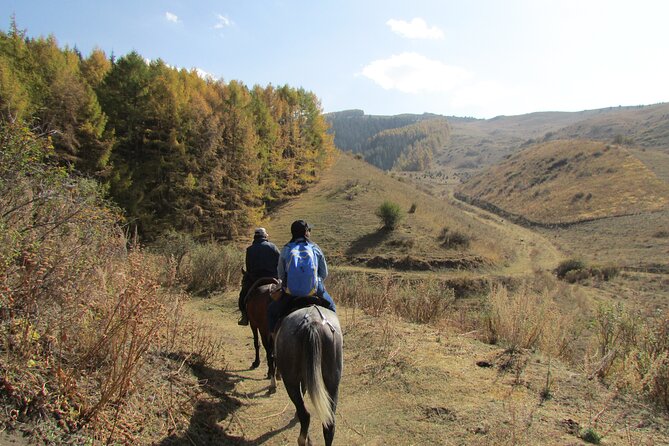
This is the day most people come for, and it’s built in a logical way. You start in the Karakol area with an easy day that still feels adventurous. The plan includes climbing up toward the Karakol ski resort and valley, then taking a ski pass to reach the top zone around 3040m. That high viewpoint is the payoff: big mountain views and a colder, cleaner kind of winter air.
Then you ski with an instructor. Equipment is included, which is a huge relief. You don’t have to hunt down rentals, worry about sizing, or show up with gear that isn’t made for snow days.
How this day typically feels:
- you travel uphill and adjust to the altitude feel
- you gear up and start skiing under guidance
- you enjoy the slopes and the mountain panorama from higher ground
Who will enjoy this most: people who like being active but don’t want to do everything themselves. If you’re a complete beginner, instruction is what turns a scary first run into a real confidence boost. If you’re intermediate, you’ll still enjoy the setup because the pass gets you where the views are worth it.
Possible drawback: a high pass means cold exposure. Wear layers you can adjust, and keep your hands and face covered. Even if the day is “fun,” you’ll feel the cold if you dress for comfort rather than for winter work.
Day 4: Djeti-Oguz and Barskoon gorges in one rugged road day
Day 4 is about geology and shape. You start by driving from Karakol through the area toward gorge formations like Djeti-Oguz (Seven Bulls Rocks) and Broken Heart gorges. The idea is to see several rock formations without needing an all-day hike. This matters if you still have energy to ski but you don’t want day 4 to be another climb-and-strain.
Then you head to Barskoon, described as a gorge area with mountain scenery and waterfalls. Even in winter, gorges like this can look dramatic because rock and water behave differently when temps drop.
After that, you also visit Jeti-Oguz Canyon itself. This stop is about 3 hours with the admission included. Jeti-Oguz is famous for sandstone rock formations shaped like bulls—seven of them, hence the name. Whether you’re a geology fan or not, the rock colors and the way the formations sit in the valley make it an easy place to enjoy without overthinking.
Practical advice for gorge days:
- bring a warm hat, even if you expect short walks
- expect uneven footing, even when the stroll is not long
- keep your camera ready, because the best angles often show up when you stop moving
Day 5: Skazka Canyon after Tosor, with time to wander
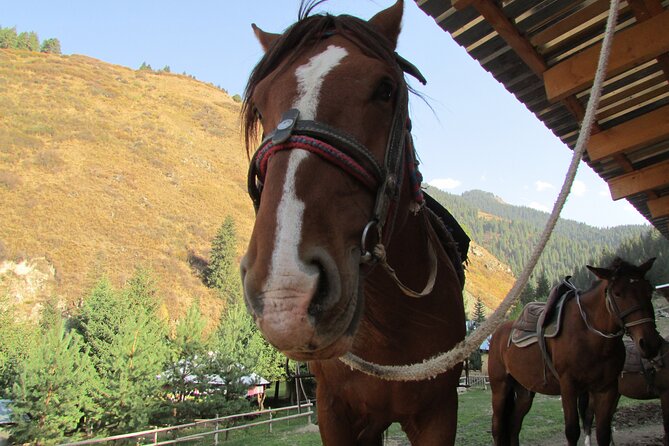
Day 5 is your long scenic finish: Canyon Skazka. The approach is part of the fun. You turn after Tosor village toward the Terskey Ala-Too mountains, then after about 4 km, the scenery changes quickly—mountains part as you move into the canyon area. The plan gives you about 6 hours, and that matters because Skazka is not just a one-photo stop. You need time to walk the paths, find viewpoints, and let the rock formations sink in.
This is the kind of final day that feels like a reward for the active days before it. You’ve done skiing, you’ve ridden through gorge country, and now you get a calmer but still awe-heavy canyon experience.
What makes it worth timing it at the end: your body has learned the rhythm of winter travel by now. You know to wear layers, you know how cold wind feels at altitude, and you can focus on the place instead of the logistics.
How the included meals and transport change your day
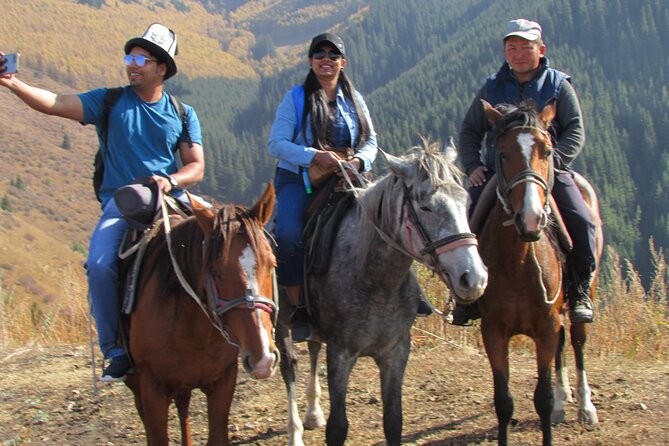
Winter tours succeed or fail on comfort and timing. This one includes 4 breakfasts and 3 dinners, and it uses an air-conditioned vehicle for transport. That combination keeps your mornings functional and your evenings not too complicated.
Think of it like this: you don’t need to hunt for food between sightseeing windows. You can show up at the next stop without spending mental energy on where to eat. In remote areas, that matters. It’s also easier to stay warm, because the meal rhythm helps you plan your time outdoors instead of waiting until you’re too cold to keep walking.
What isn’t included: mineral water, laundry, and alcoholic drinks. For me, the key is water. If mineral water is important to you, budget for it separately so it doesn’t become a “surprise expense” mid-day.
Gear and packing: what cold nights mean here
The trip notes are clear: nights can be cold in the mountains. That’s not the kind of detail you want to ignore, because mountain cold hits harder when you’re tired after a day outside.
Bring:
- hike shoes with real grip
- at least one jacket plus layers for changing weather
- a rainjacket, since mountain weather shifts
- sunglasses and sunscreen
- warm clothes, because winter wind is no joke
If you’re skiing, wear gear that holds up and doesn’t let snow inside. Dry socks matter even if they feel like a small thing. And if you forget a warm layer, you’ll feel it most during viewpoint stops—when everyone else is photographing and you’re trying not to shiver.
Best fit: who should book this 5-day Kyrgyzstan package
This trip fits best if you want a structured mix of:
- culture stops you can actually visit (not just drive past)
- gorges and canyon scenery
- one full skiing day with instruction and included equipment
- long enough time in each area that you aren’t sprinting
It’s also a good option for groups who want private pacing. The experience is private, meaning it’s only your group participating. That’s a real benefit if your group has different comfort levels with cold weather, walking time, or skiing ability.
If you’re the type who hates rushing, you’ll likely like the way the days allocate time blocks—like 4 hours in Chon-Kemin, 5 hours in Karakol, and 6 hours for Skazka.
If you’re deciding today: should you book?
I’d book this trip if you want a Kyrgyzstan winter experience that feels active but still managed: ski equipment is included, you’ll have an instructor during the skiing day, and you’ll get a full day dedicated to gorge and canyon scenery after the snow.
I’d think twice if you:
- don’t handle cold weather well
- want zero driving time between stops
- are looking for a purely cultural trip with no skiing focus
For the right traveler, this plan delivers something rare: big nature days plus high-impact winter skiing, all built around practical included logistics. If you’re going for a one-trip highlight reel of Kyrgyzstan in winter, this is a strong match.
FAQ
How long is the Kyrgyzstan trip?
It’s an approximately 5-day sightseeing and skiing trip starting from Bishkek.
Where does the trip start?
The trip is based in Bishkek, Kyrgyzstan.
Is pickup offered?
Pickup is offered.
Is this a private tour?
Yes. It’s a private tour/activity, and only your group participates.
What’s included for skiing?
Skiing equipment is included, and the ski day includes a ski pass to the top area around 3040m, with skiing done with an instructor.
Are meals included?
Yes. Breakfast is included for 4 mornings, and dinner is included for 3 evenings.
Are entrance fees included?
Yes. All fees and taxes are included, and several stops list admission tickets as included.
What should I bring for winter conditions?
Bring hike shoes, at least one jacket, a rainjacket, sunglasses, sunscreen, warm clothes, and plan for changeable mountain weather.
What is not included in the price?
Mineral water, laundry, and alcoholic drinks are not included.
Can I cancel and get a full refund?
Yes. You can cancel up to 24 hours in advance for a full refund. If you cancel less than 24 hours before the start time, the amount paid is not refunded.