REVIEW · TOKYO
Mt. Fuji Skiing Experience- YETI Ski Resort & Onsen Day Trip
Book on GetYourGuide →Operated by TAIHOU CO,LTD · Bookable on GetYourGuide
Mt. Fuji and skis in one day. That combination is why this trip feels special: you get ski runs at YETI with big Mt. Fuji views, then you finish in a hot spring where you can soak with Fuji in sight. You should still know the main catch up front: sometimes your time on snow can feel shorter than you hope, especially if the day runs tight.
I like how the schedule is built around low-stress fun, not hardcore training. The slopes at this early-season park work well for first-timers and improving skiers, and the hot-spring stop at Konohana no Yu is a real payoff after time outdoors. One more note for planning: food isn’t included, so you’ll want to budget for lunch/snacks on your own.
In This Review
- Why YETI + Konohana no Yu makes sense from Tokyo
- The trip in key points you can plan around
- Starting at Tokyo Station: easy meeting, early departure
- The ride toward Mt. Fuji: part of the day, not “wasted time”
- YETI Ski Resort at about 1,400 meters: what it’s really like
- Ski equipment: included, but check the package
- The honest drawback: your ski time can feel tight
- Beginner-friendly slopes plus a guide who helps you stay calm
- The onsen payoff: Konohana no Yu with Fuji views
- If Konohana no Yu is closed: your backup onsen options
- Return to Tokyo: plan your evening like a grown-up
- Price and value: how $90 adds up when transport is included
- Who this tour fits best (and who should look elsewhere)
- Practical tips so your day feels smooth
- Should you book this YETI Ski Resort and Konohana no Yu day trip?
- FAQ
- Where do I meet for the tour?
- What time does the tour depart and how long is it?
- How long do I spend skiing at YETI, and is it suitable for beginners?
- Is ski equipment included?
- What onsen do we visit, and what if it’s closed?
- Is food included?
Why YETI + Konohana no Yu makes sense from Tokyo
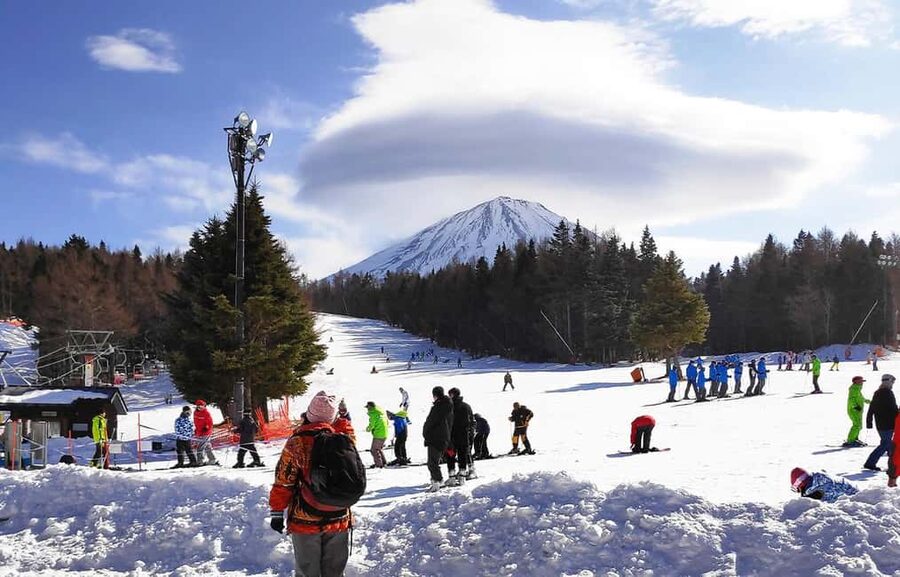
If you’ve ever tried to plan Mt. Fuji skiing yourself, you know the friction: transport takes time, timing is tricky, and you still need to manage gear. This day trip reduces the moving parts. You leave Tokyo early, ride in an air-conditioned coach, spend a dedicated block on the snow, and then unwind in a public onsen with Fuji views.
The skiing is at Fujiyama Snow Resort YETI Ski Resort, around 1,400 meters up. That altitude matters because it helps make the snow experience feel legit, and it also sets you up for those upper-slope sightlines on clearer days.
Then comes the hot spring: Konohana no Yu uses natural spring water, and you’ll find an open-air bath built for views. It’s not just a “quick wash.” It’s the kind of stop that makes the whole day feel complete.
The trip in key points you can plan around
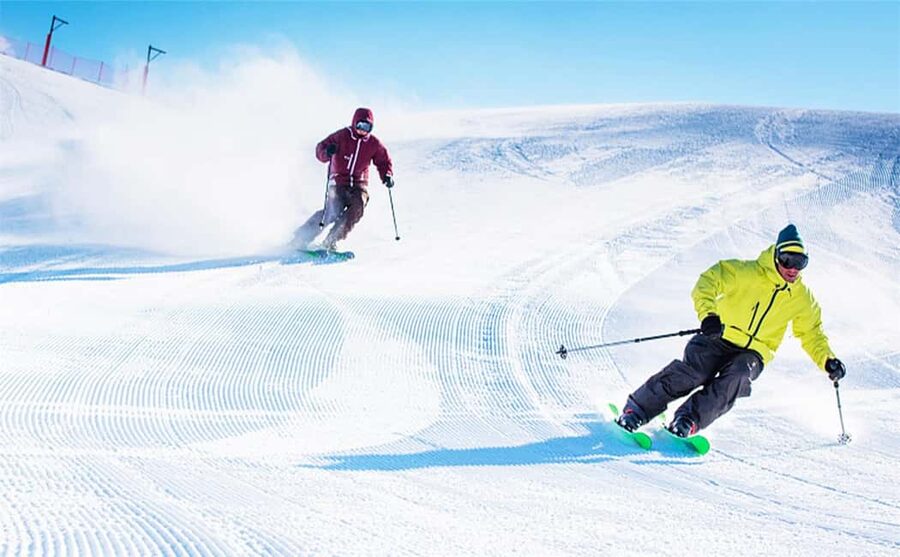
- YETI is Japan’s earliest snow park (higher odds you’ll catch snow if you travel in early season)
- A focused 4-hour snow window at a resort designed for beginners and intermediate skiers
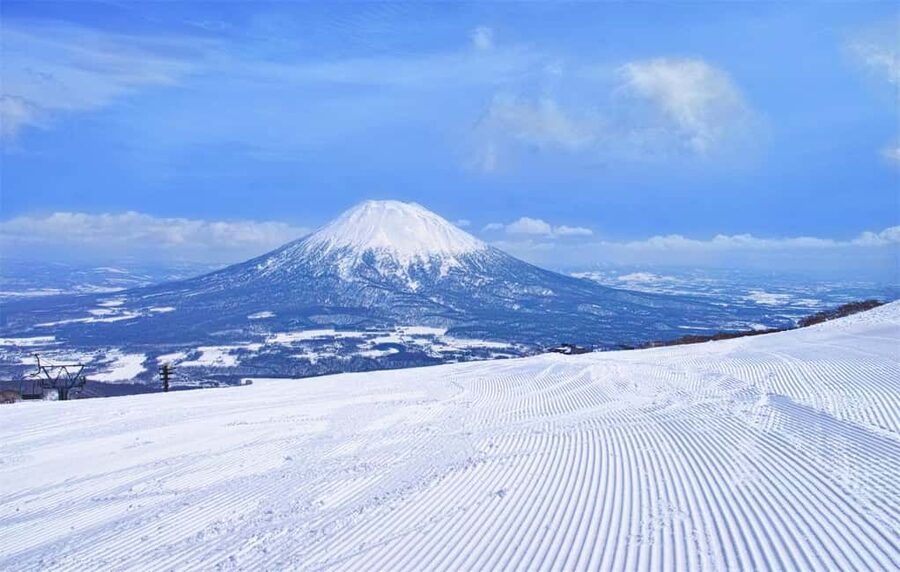
- Big views from the slopes when the sky is clear, including Mt. Fuji and Suruga Bay
- Konohana no Yu is the centerpiece onsen stop, with an open-air bath and Fuji views
- Shared group, multi-language guiding (Chinese, English, Japanese) keeps it social but organized
- Price includes transport and resort access, with ski equipment depending on the package you pick
Starting at Tokyo Station: easy meeting, early departure
You meet at JR Tokyo Station (Marunouchi North Exit). The meeting time is 7:15 AM, and the coach departs at 7:30 AM. Expect other tour groups there, so don’t roll up at the last second. This is one of those tours where being punctual is the difference between relaxing and stressing.
That morning routine is also part of the value. You’re not spending your day figuring out which bus to take or when to change lines. A professional driver handles the road, and your guide handles the handoffs and explanations.
If your Japanese is limited, that’s a comfort too. The guide offers Chinese, English, and Japanese support, so you’re not left guessing what’s happening next.
The ride toward Mt. Fuji: part of the day, not “wasted time”
The coach portion is substantial—about 2.5 hours each way. If you hate long transfers, this will feel like a tradeoff. But honestly, it’s how you make skiing and an onsen work in a single day from central Tokyo.
On the drive, keep your expectations simple: use the time to hydrate, get your cash ready, and double-check what you’ll need for the snow. Japanese winters can be dry and cold, and you’ll be in motion before you ever touch skis.
YETI Ski Resort at about 1,400 meters: what it’s really like
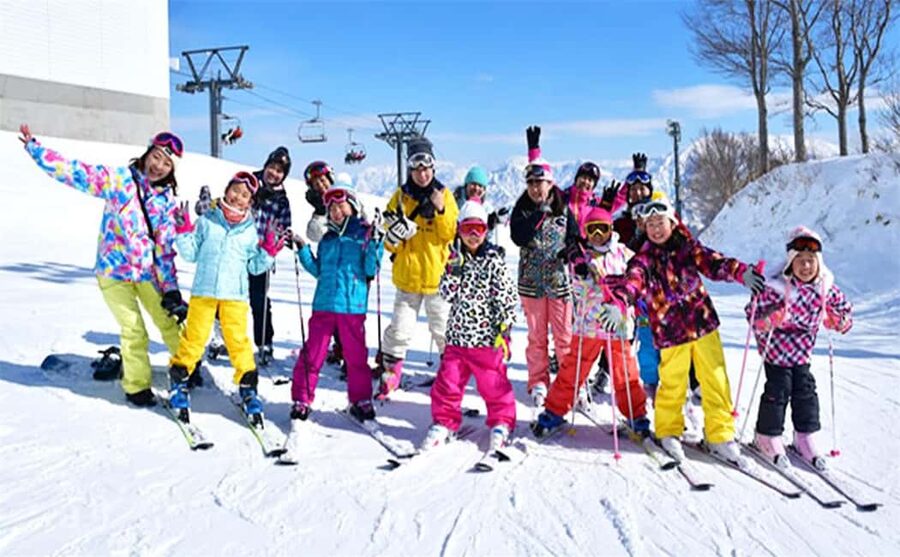
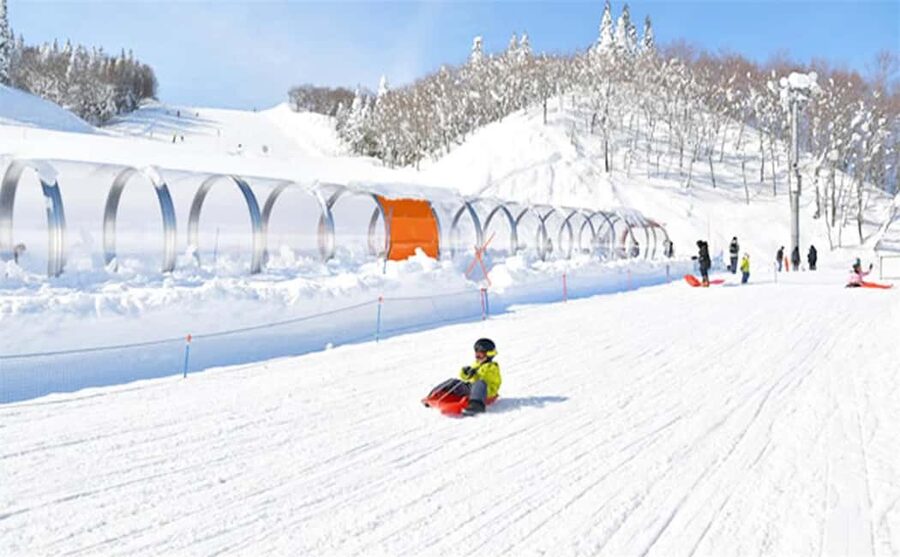
The heart of the trip is your time at Fujiyama Snow Resort YETI. You’ll get roughly 4 hours on site, which is enough for a first good day on snow—especially if you’re placed on the right runs and you don’t feel pressured to go faster than your comfort level.
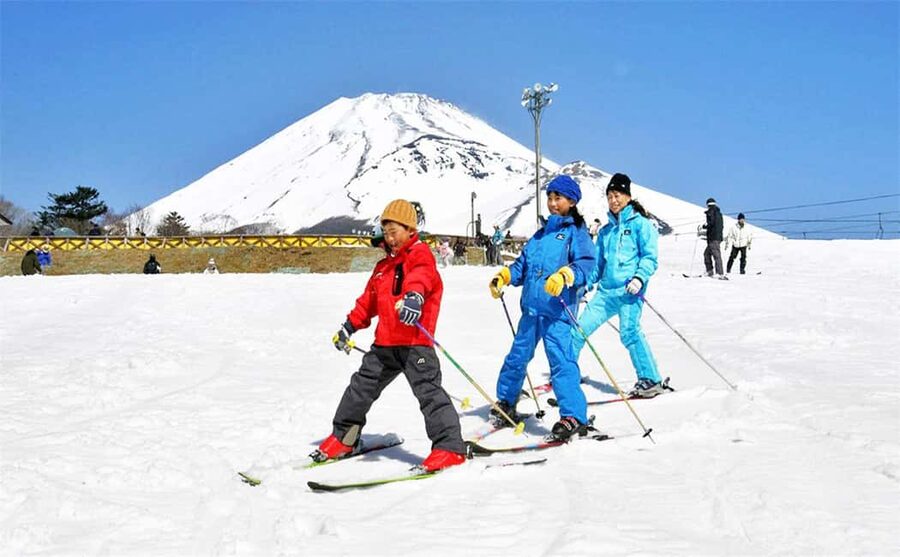
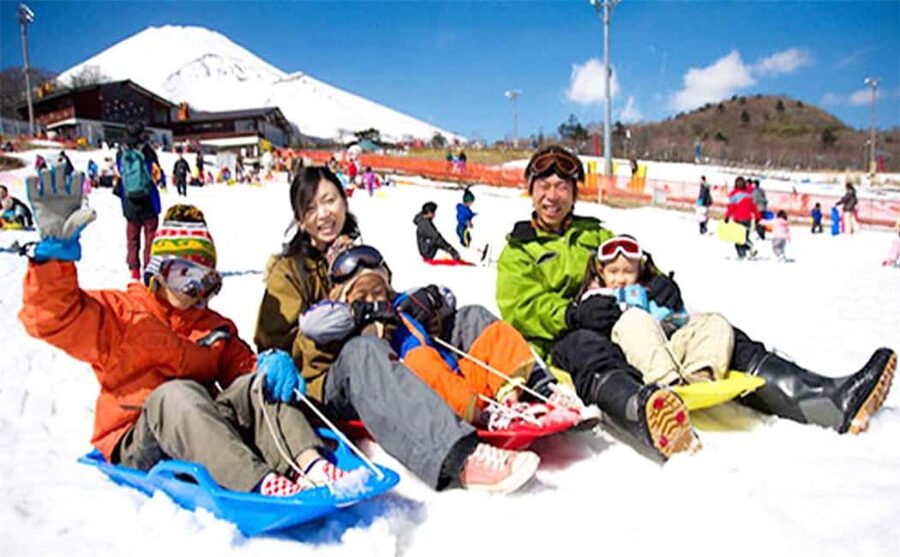
This resort is known as Japan’s earliest snow park, and the setup includes four slopes meant for beginners and intermediate skiers. That matters because your skill level shapes everything:
- If you’re new, you want wide, readable routes and time to practice turns.
- If you’re progressing, you want runs that let you build speed in a controlled way.
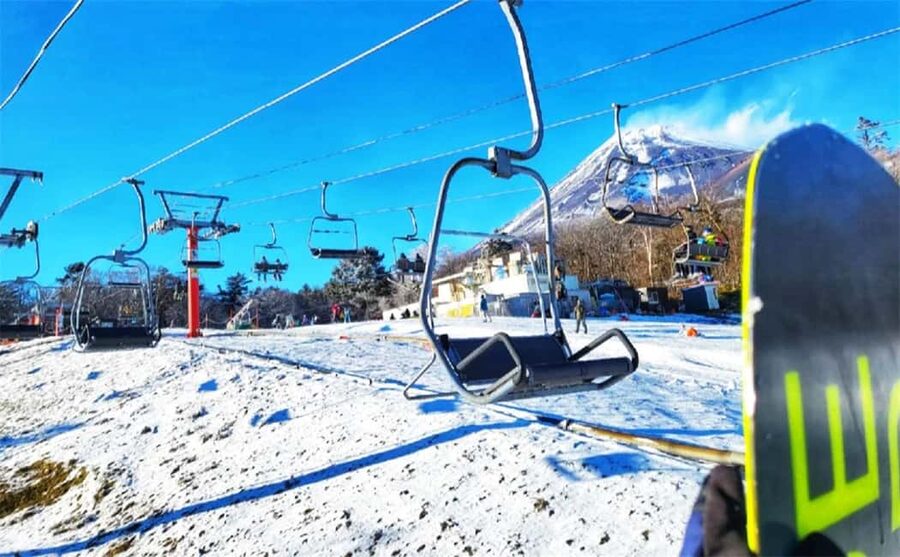
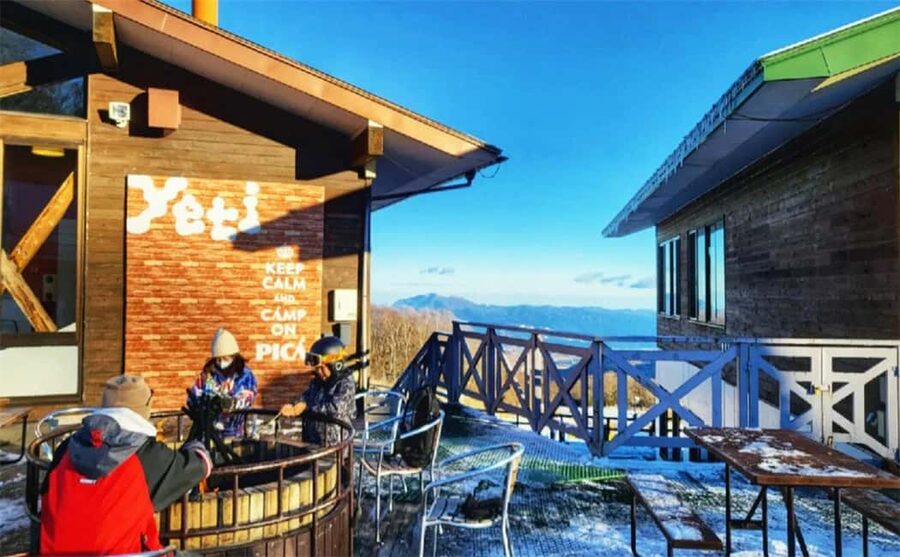
A big reason to choose this particular resort is the views. On clear days, you can see Mt. Fuji and Suruga Bay from the upper areas of the slopes. Those sightlines make skiing feel like more than exercise. It becomes a moving viewpoint, which is rare for most ski days.
Ski equipment: included, but check the package
Ski gear is included depending on the package you select. If you’re traveling light, this is one of the easiest ways to avoid gear hassles. But make sure you know which package includes what, so you’re not surprised on arrival.
The honest drawback: your ski time can feel tight
One drawback that’s worth planning for: even though the day is structured around a 4-hour snow window, real-world timing can tighten. I’d treat the schedule as a goal, not a guarantee. If the day runs late due to conditions or crowding, you might feel that the time on snow is less than you expected.
Beginner-friendly slopes plus a guide who helps you stay calm
This is the kind of outing where your guide matters. You’re not just getting transport; you’re getting explanations and on-the-ground coordination.
In past experiences with this tour style, guides like Wanting have helped add context about the mountain before you head out. Other days have run with guides like Samuel, who made sure everyone had practical tips for sightseeing around the broader area.
What you should take from that: when you’re on a shared trip, a good guide keeps the group moving smoothly and helps you get the most out of the time you have. That includes everything from how to approach the slopes to when to be back for the next bus segment.
Also, it’s a mixed international group. That’s part of the fun if you like meeting people. It can also mean the guide explanation is a bit more general than a private lesson.
The onsen payoff: Konohana no Yu with Fuji views
After skiing, you head to a hot spring stop at Konohana no Yu. You’ll take an elevator from the parking area to the onsen. Then you get an open-air bath experience with breathtaking Mt. Fuji views and natural spring water.
This is where the day turns from cold activity to warm recovery. If your legs are tired, the hot water helps you feel human again. And if you came just for the skiing, the Fuji-on-the-water moment makes the whole day feel like more than a ski ticket.
If Konohana no Yu is closed: your backup onsen options
If Konohana no Yu happens to be closed, the tour uses alternates:
- Gotemba Fuji Hakkei
- Gotemba City Onsen Hall
An optional onsen activity may apply in these cases, with pricing mentioned around $12 USD. The key practical point: assume you may need extra cash for the onsen portion if the plan changes.
Return to Tokyo: plan your evening like a grown-up
You’ll head back to Tokyo with about 2 hours by coach, arriving around JR Tokyo Station or Shinjuku West Exit.
Traffic can mess with timing. Winters also bring weather variables. If you’re trying to stack dinner reservations or a second ride across town, keep it loose. I recommend not scheduling anything that absolutely depends on a precise arrival time.
Price and value: how $90 adds up when transport is included
At about $90 per person for a 10-hour day, this trip can feel like a steal or feel pricey depending on what you compare it to.
Here’s the practical math logic:
- You’re paying for round-trip air-conditioned bus transport
- You’re paying entrance to YETI
- The day includes parking fees and a professional driver
- Ski equipment may be included depending on your chosen package
- You’re also getting guided coordination and multi-language support
Food and drinks are not included, and onsen fees can be optional depending on the situation, so that’s the part you’ll handle on your own.
But if you’d otherwise pay for transport and resort access separately, this package is often the simpler way to do it—especially if you’re traveling with limited time.
Who this tour fits best (and who should look elsewhere)
This trip is a strong match if:
- You want a beginner-friendly ski day without planning logistics
- You care about Mt. Fuji views as part of the experience
- You like the structure of a day trip and don’t want to manage transport alone
- You want the onsen element to be part of the payoff, not an afterthought
It’s less ideal if:
- You’re very time-sensitive and can’t risk the snow portion feeling tight
- You want a lesson-level experience tailored to only your skill and preferences
- You dislike shared-group pacing
Practical tips so your day feels smooth
Bring cash. Some places may not take cards, and the tour mentions cash as important. Also, check the weather forecast before you go. Clear days are when the Fuji views matter most.
Wear layers you can adjust fast. You’ll go from warm transport to cold slopes to a hot bath. That rhythm can be hard if you’re in bulky clothing you can’t vent.
Finally, be ready for the group pace. This is a shared day trip, so your job is to show up on time and follow the plan, not to improvise each step.
Should you book this YETI Ski Resort and Konohana no Yu day trip?
Yes—if you’re looking for an organized way to get Mt. Fuji skiing plus a real hot-spring soak in one day, this is a solid booking choice. The biggest reasons to feel good are the beginner/intermediate slope setup, the chance for Fuji and Suruga Bay views, and the fact that the hot spring stop is built for comfort after skiing.
I’d book with one caution in mind: the snow portion can feel tight if the schedule gets compressed. If you want guaranteed long runs or you’re chasing a very specific ski focus, you may prefer a more flexible plan. But for most first ski visitors, or anyone wanting a good balance of action and recovery, this day trip hits the sweet spot.
FAQ
Where do I meet for the tour?
You meet at JR Tokyo Station, Marunouchi North Exit, at 7:15 AM. The address is 1-chome-6 Marunouchi, Chiyoda city, Tokyo 100-0005, Japan.
What time does the tour depart and how long is it?
The tour departs at 7:30 AM and runs for about 10 hours.
How long do I spend skiing at YETI, and is it suitable for beginners?
You have about 4 hours at YETI. The resort has four slopes suitable for beginners and intermediate skiers.
Is ski equipment included?
Ski equipment is included depending on the package you choose, so check your selected option.
What onsen do we visit, and what if it’s closed?
The tour’s hot spring stop is Konohana no Yu, with an open-air bath and views of Mt. Fuji. If it’s closed, the alternate options are Gotemba Fuji Hakkei or Gotemba City Onsen Hall, and the alternate onsen may be an optional self-paid activity.
Is food included?
No. Food and drinks are not included, so you’ll need to budget for meals on your own.