REVIEW · DARWIN
1-Hour Thunderball WWII Adventure Jet Skiing in Darwin
Book on Viator →Operated by 00Seven Adventures · Bookable on Viator
A jet ski tour that teaches WWII? Yes. You get to blast across Darwin Harbour while your professional guides point out shipwreck sites you’d never spot from shore, then tie it all to the bombing of Port Darwin in 1942 and what Cyclone Tracey did to the seabed. One name I keep seeing praised is guide Amanda, especially for a personal history lesson that makes the facts click.
I also like the format: it’s short, it stays active, and you’re out seeing the coastline from the water with big panoramic views. The main thing to consider is that it depends on good weather, and it’s built for people with moderate physical fitness.
In This Review
- Key highlights at a glance
- Where Thunderball WWII starts: Stokes Hill Wharf
- One hour on the water: what the ride is really like
- Spotting Hidden By The Sea: Darwin’s shipwreck search
- WWII on the harbour: learning the 1942 Port Darwin bombing
- Cyclone Tracey 1974: how the seabed got rewritten
- Big Darwin views from the water (and yes, you’ll get photos)
- Guide-led history that feels personal
- Price and value: is 112.18€ worth it?
- Who this jet ski WWII tour fits best
- Weather, pacing, and the small risks to plan around
- Should you book Thunderball WWII Jet Skiing?
- FAQ
- How long is the jet ski tour?
- Where does the tour start and end?
- What time does the tour depart?
- How much does the tour cost?
- How big is the group?
- Is a mobile ticket used?
- What fitness level do I need?
- What history topics will I learn during the ride?
- Do I need good weather for this experience?
- Can I cancel for a refund?
Key highlights at a glance
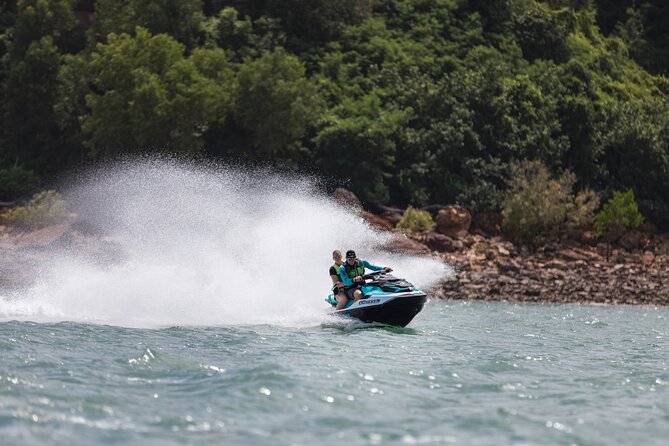
Shipwreck spotting around Darwin Harbour: Your guides help you hunt for sunken warships and other seabed remnants.
WWII stories tied to real sites: The Japanese bombing of Port Darwin in 1942 is connected to what you see.
Cyclone Tracey 1974 impact on the seabed: You’ll hear how the ocean changed the wreck field after 1974.
Panoramic Darwin views: You’ll see the city and coastline from the water, not just from a lookout.
Small-group feel: Maximum of 16 travelers, so it doesn’t turn into a slow-moving crowd.
Highly rated for personal attention: The “personal lesson” style is a standout theme in feedback.
Where Thunderball WWII starts: Stokes Hill Wharf
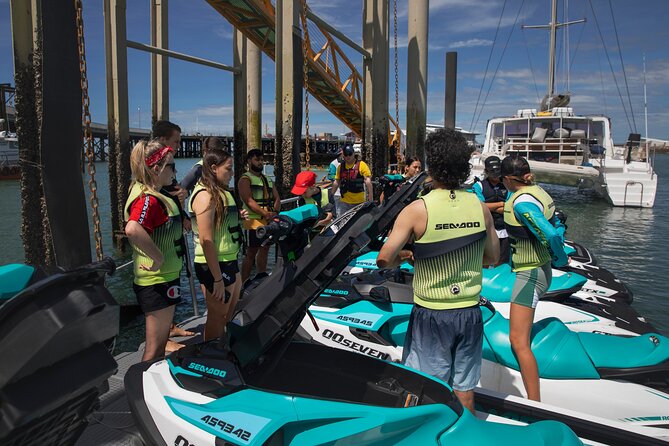
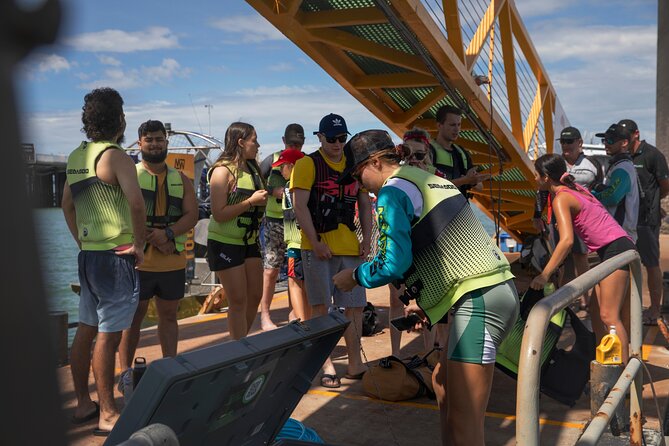
This tour runs out of Darwin City at Seven Jet Ski Adventures Dock 1, Stokes Hill Wharf (right by the action of the harbour). The start time listed is 9:00 am, and it ends back at the same meeting point, so you’re not stitching together transfers for hours.
The “mobile ticket” part is a real convenience. You can handle everything on your phone and show up ready to go. And because it’s described as near public transportation, you’re less likely to feel stuck on a tight schedule if you’re already exploring Darwin.
You can also read our reviews of more tours and experiences in Darwin.
One hour on the water: what the ride is really like
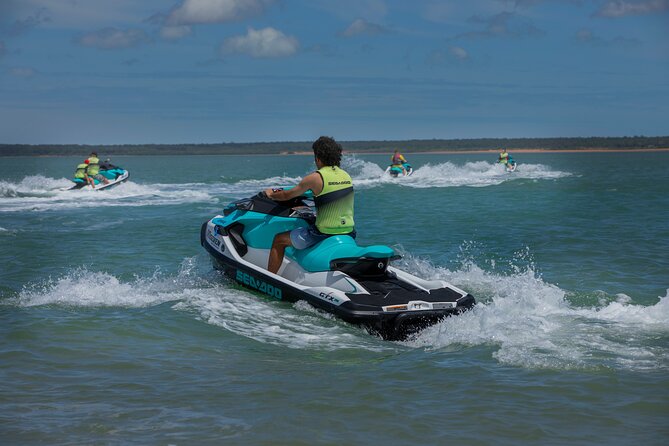
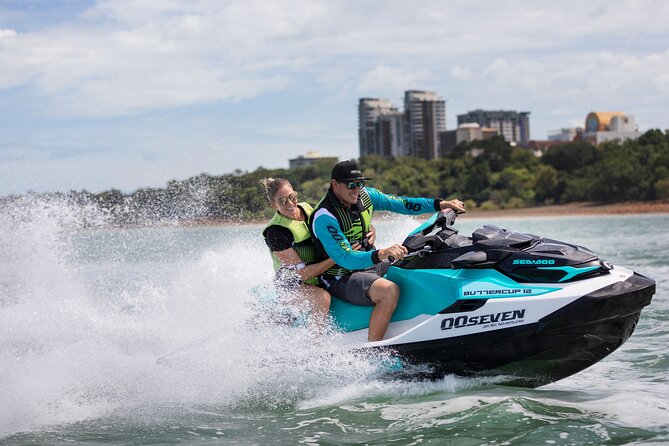
You’re out for about 1 hour on the harbour water, and the focus stays on motion. This isn’t a sit-and-listen museum experience. It’s active touring, with your guides constantly narrating and helping you connect the story to the actual spots below the surface.
The shipwreck element matters because you’re not just hearing history in the abstract. The tour is built around the idea that Darwin’s wrecks are hidden by the sea, meaning most people can’t find them without the help of a knowledgeable guide. On a jet ski, you cover more water, more quickly—and your guides can help you notice the kinds of seabed features that would look like nothing from shore.
One practical note: it’s designed for moderate physical fitness. That usually means you should feel comfortable being on the water for the duration and following the pace of an active boat tour. If you’re unsure, it’s worth being honest with yourself about balance, wind, and getting on and off quickly.
Spotting Hidden By The Sea: Darwin’s shipwreck search
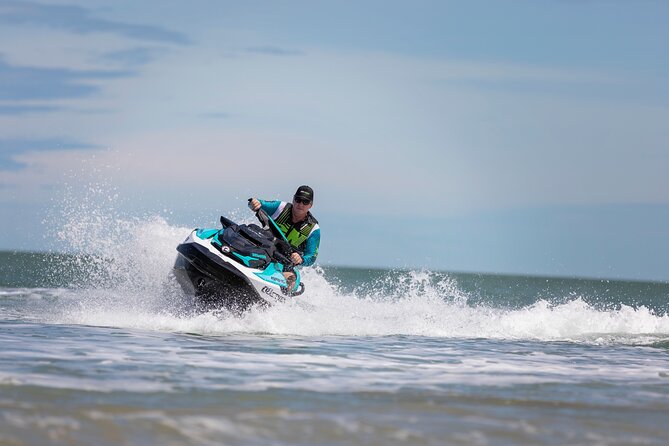
Darwin Harbour has a long, complicated relationship with war—and the sea has kept a lot of that story preserved in places you can’t easily reach on foot. In this tour, the shipwreck hunting is the core activity: your guides lead the way and you keep your eyes open for evidence on the seabed.
You’ll learn about sunken warships bombed by Japanese planes in 1942. The “why this is worth it” part is simple: being able to point at a real area and then hear how it relates to a specific event turns history into something you can track. Instead of a timeline you forget the next day, you get a route and a mental map.
The tour also connects to other wreck elements. Fishing trawlers are described as scattered on the seabed of Port Darwin, and some are linked to the ferocious water created by Cyclone Tracey in 1974. That combination—war wrecks plus post-disaster seabed change—makes the tour feel more complete than a one-topic history stop.
WWII on the harbour: learning the 1942 Port Darwin bombing
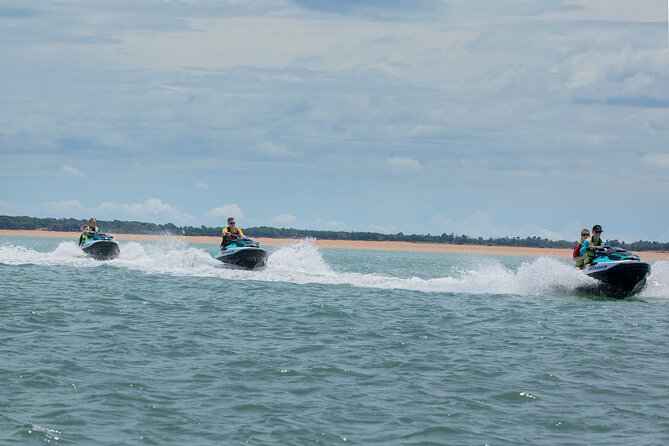
This is where the learning becomes more than a fact dump. The tour specifically focuses on Darwin’s role in WWII history and the Japanese bombing of the Port of Darwin in 1942.
What I like about that approach is that the story is tied to what you’re doing at the same time: riding around Darwin Harbour. Your guides can connect the event to the physical reminders below the waterline, which helps you understand why so much of the evidence is still there, even though most visitors never see it.
Also, this kind of WWII context is useful because Darwin’s WWII story isn’t always the first one people know from Australia. If you want a sharper understanding than a quick overview, this tour gives you a guided, on-the-water interpretation that sticks.
Cyclone Tracey 1974: how the seabed got rewritten
Most people associate Cyclone Tracey with the storm itself. This tour adds a second layer: what happened after, and how it affected what lies underwater.
In the description, Cyclone Tracey in 1974 is linked to fishing trawlers buried by the ferocious waters around Port Darwin. That matters because it explains why the harbour’s seabed can hold more than just WWII remnants. You’re seeing a mix of outcomes—war impacts and disaster impacts—layered together in the same water.
For me, that’s one of the most valuable parts of the tour. It turns the harbour into a living archive. Even if you only remember one thing, the takeaway is clear: the sea doesn’t just cover history; it changes it.
Big Darwin views from the water (and yes, you’ll get photos)
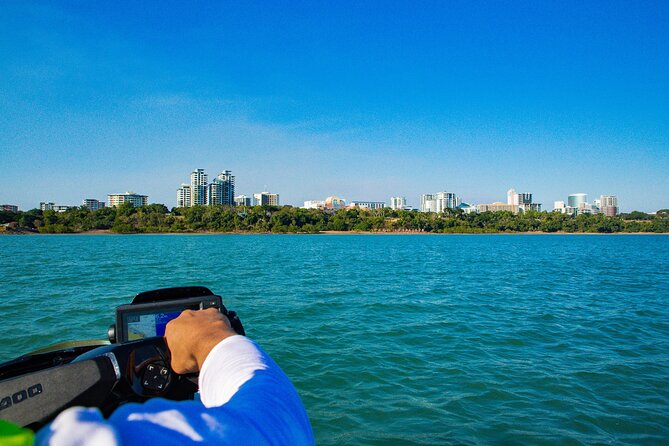
You get more than story time. The highlights include panoramic views of Darwin and the coastline, and that’s not a small perk on a one-hour tour.
From the water, Darwin looks different. You’re higher than you’d be on foot for many waterfront spots, and you’re moving, so the views come in quick “passes” rather than one static panorama. It’s a good way to understand how the harbour sits in relation to the city.
One small practical expectation: if you care about photos, plan to use the moments when your guide is narrating less and the route gives you wider sightlines. The best shots usually come when you’re not distracted by trying to read a phone map or peer too hard at the water.
Guide-led history that feels personal
There’s a specific kind of jet ski tour you can do where the guide talks like a recording. This one is different in how it’s described: your professional guides give you the lowdown and history connected to the shipwreck areas.
And the feedback gives you a hint about the tone. A standout review calls out an instructor named Amanda for an excellent personal lesson, plus the idea that the ride isn’t just sightseeing—it’s guided learning that lands well. Another detail mentioned is riding past Sarwin, paired with more history explanation. That combo suggests the tour isn’t a rushed drive-by; it’s paced enough to make the narration meaningful.
The “personal lesson” theme is worth paying attention to. When a tour blends action and education, the biggest risk is that the educational part gets swallowed by the adrenaline. Here, the feedback repeatedly points to instruction that makes it feel like you’re being taught, not just transported.
Price and value: is 112.18€ worth it?
At €112.18 per person for about one hour, you’re paying for two things: the jet ski experience and the guided, site-specific history. That price won’t feel like a bargain if you’re only looking for sightseeing.
But it does make sense if you value access. Shipwrecks in Darwin are described as hidden by the sea, and the tour is built around your guides helping you find and interpret what’s underwater. If you tried to do this solo, you’d likely be stuck with generic harbour views—because you wouldn’t have the same guidance for locations and context.
Also, the group size is capped at 16 travelers. That tends to support a more guided feel, especially on a short trip. In other words, the pricing is less about “time in a boat” and more about what you get while you’re out there.
Who this jet ski WWII tour fits best
This works best if you want active travel with real context. You’ll probably enjoy it most if you like hands-on experiences—where your guide can connect a story to a place you can actually look at.
It’s also a strong pick for:
- People who like WWII topics but don’t want the standard classroom-style tour
- Travelers who want Darwin context that goes beyond the city highlights
- Anyone who enjoys coastal views and doesn’t mind being out on open harbour water
It may be a tough match if you’re looking for a slow pace, or if you’re sensitive to weather changes. The tour specifically requires good weather to run.
Weather, pacing, and the small risks to plan around
This is an “it depends” tour in the best way. It’s scheduled, but it’s also weather-based. If conditions are poor, it can be canceled and you’ll be offered a different date or a refund.
Because it’s only one hour, you also don’t get the option to “see a bit, then relax.” The whole point is the ride plus the guided spotting and stories. If you’re hoping for a long sit-down experience with plenty of breaks, this isn’t that.
Finally, keep in mind the moderate fitness requirement. You don’t need to be an athlete, but you should be comfortable with an active outing and following your guide’s direction while you’re on the water.
Should you book Thunderball WWII Jet Skiing?
If you want a fast, fun Darwin activity with a clear educational payoff, I’d say yes, especially if WWII history and Darwin Harbour’s shipwrecks are your kind of subject. The tour’s whole value proposition is that you’re not just reading about wrecks—you’re riding where your guide can help you spot and interpret them.
Book it if:
- You’re excited by shipwreck spotting around Darwin Harbour
- You want guided connections to 1942 Port Darwin and Cyclone Tracey 1974
- You prefer small-group experiences capped at 16
Skip it (or think twice) if:
- Weather sensitivity is an issue for you
- You want a slow, mostly on-shore history tour
- You don’t feel you meet the moderate fitness expectations
FAQ
How long is the jet ski tour?
The experience runs for about 1 hour.
Where does the tour start and end?
It starts at Seven Jet Ski Adventures Dock 1, Stokes Hill Wharf in Darwin City, and it ends back at the meeting point.
What time does the tour depart?
The start time listed is 9:00 am.
How much does the tour cost?
The price is €112.18 per person.
How big is the group?
The tour has a maximum of 16 travelers.
Is a mobile ticket used?
Yes, the tour uses a mobile ticket.
What fitness level do I need?
The tour notes that travelers should have a moderate physical fitness level.
What history topics will I learn during the ride?
You’ll learn about Darwin’s role in WWII history, including the Japanese bombing of the Port of Darwin in 1942, and the effects of Cyclone Tracey in 1974.
Do I need good weather for this experience?
Yes. It requires good weather, and if it’s canceled due to poor weather you’ll be offered a different date or a full refund.
Can I cancel for a refund?
Yes, you can cancel up to 24 hours in advance for a full refund.