REVIEW · JACKSON
4 Hour Beginner Cross Country Skiing in Grand Teton
Book on Viator →Operated by Jackson Hole Eco Tour Adventures · Bookable on Viator
Four hours on skis changes your winter outlook. In Grand Teton National Park, you get beginner cross-country technique coaching plus winter ecology interpretation while you glide through a snowy wonderland with plenty of pauses for photos. It’s paced for a relaxed conversation, not a workout boot camp.
I especially like the instruction style: trained nordic guides break skills into clear, teachable steps, and you spend real time practicing. Seeing different guide personalities—like Tyler, Bo, and Laura—is a reminder that the best part isn’t the gear, it’s how the lesson clicks with you.
One thing to plan for: skis and boots aren’t included. You’ll also want to budget for Nordic equipment rental and the Grand Teton entrance fee unless you already have a park pass.
In This Review
- Key Highlights You Should Know
- Jackson Hole Meeting Point to Grand Teton Ski Zone: The Real-World Flow
- Beginner Nordic Instruction That Actually Sticks
- Winter Ecology in the Tetons: More Than a Ski Session
- Stop in Grand Teton National Park: What Happens During Your Time on Snow
- Wildlife, Weather, and Photo Breaks: How the Day Can Vary
- Price and Value in Plain Math (and What Adds On)
- Gear Reality Check: Rentals, Skis, and What You’ll Need to Plan
- Pacing and Comfort: Leisure Activity That Still Feels Like Progress
- Who Should Book This in Jackson Hole?
- Should You Book? A Practical Decision Guide
- FAQ
- How long is the beginner cross-country skiing tour?
- What is the meeting point in Jackson, Wyoming?
- Are skis and boots included?
- Is the Grand Teton National Park entrance fee included?
- How many people are in each group?
- What activity level should I expect?
- What happens if weather affects the tour?
Key Highlights You Should Know
- Small group cap (max 7) means more attention during the lesson and less time waiting around
- Beginner-focused technique coaching helps you feel stable fast, then improve during the session
- Winter ecology interpretation adds meaning to every stop beyond just the skiing
- Weather-and-wind-based ski area selection keeps the route practical and safe
- Snacks, coffee/tea, and water keep the half-day from feeling chopped up
- Pace stays leisure so you can hold a conversation while you build confidence
Jackson Hole Meeting Point to Grand Teton Ski Zone: The Real-World Flow
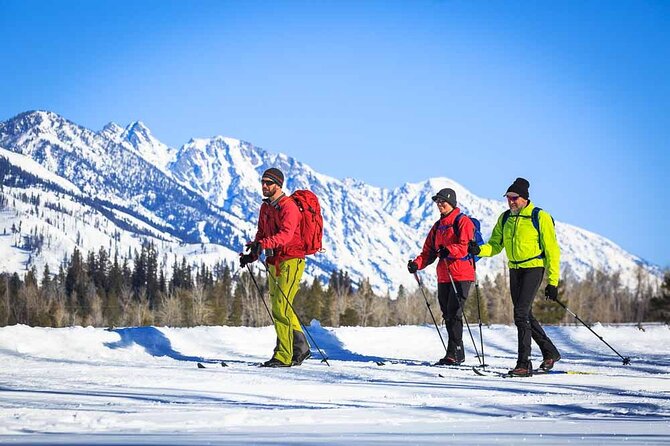
This tour is built for an easy half-day start. You meet downtown at 210 N Cache St, Jackson, WY 83001, then the team handles transportation from there to a nordic skiing area in and around Grand Teton.
That transportation piece matters more than it sounds. Jackson Hole has lots of potential ski terrain, but conditions change quickly. The route is chosen based on weather and wind, which helps you spend your effort on skiing instead of second-guessing whether the area you drove to will work.
The tour also keeps the logistics simple: it’s a round-trip format that ends back at the same meeting point. With a duration of about 4 hours, it fits well into a morning plan when you still want the rest of the day for sightseeing, hot drinks, or a relaxed evening.
And because this runs in English with a mobile ticket, you won’t be hunting for papers or scanning complicated instructions.
If you’re traveling with kids, there’s an important note: for families with children 8 and under, the program requires a private tour. That’s a good sign that they’re prioritizing comfort and flexibility for younger skiers, not squeezing everyone into a standard group format.
You can also read our reviews of more tours and experiences in Jackson.
Beginner Nordic Instruction That Actually Sticks
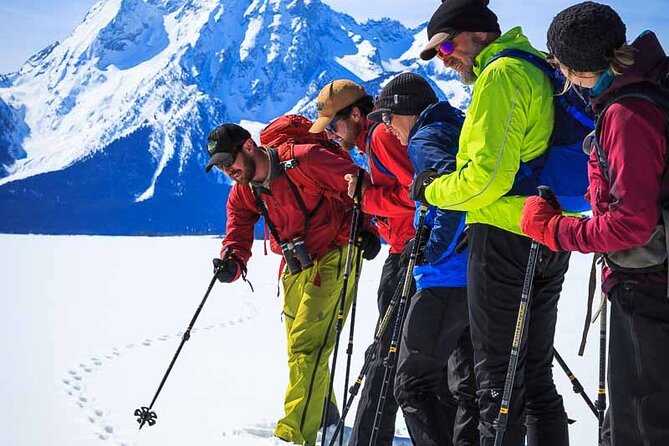
Cross-country skiing can feel mysterious until someone shows you how to make it make sense. That’s the core value here: you’re not just dropped onto snow and told to figure it out.
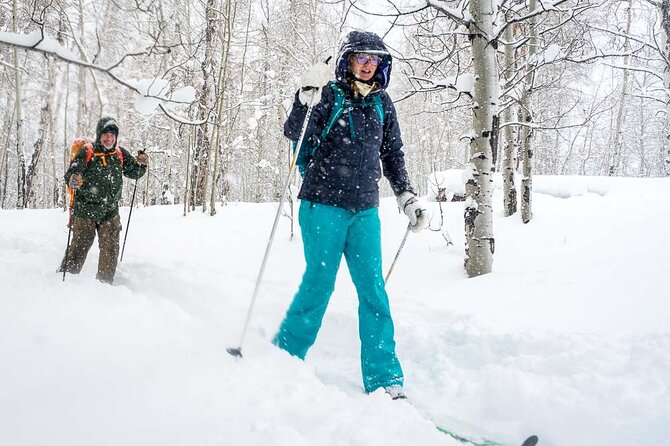
You’re taught with professional nordic coaching geared toward beginners, and the goal is confidence first. You’ll learn technique in a way that supports quick improvement while keeping your body comfortable enough to keep learning. The pace is leisure, so you can hold a conversation, stop for photos, and still absorb the instruction.
One detail I love is how guides frame technique as repeatable steps. In conversations during the tour, you’ll hear practical coaching aimed at the basics you need to glide smoothly—then build on them as you go. A review highlighted five core techniques, which is exactly what you want early on: a mental checklist rather than a vague “just try harder.”
Also, you’re not stuck with a rigid script. Because the program runs as a small group (maximum 7), your guide can adjust as the session evolves—especially when someone needs extra time to get their footing. That makes a big difference when you’re new, because one awkward moment can otherwise snowball into frustration.
Winter Ecology in the Tetons: More Than a Ski Session
The winter part of Grand Teton isn’t just pretty. Winter changes how animals move, how they find food, and how they conserve energy. This tour builds those connections into your skiing stops.
As you move through the park area, you get winter ecology interpretation from your naturalist guide. It’s not lectures for the sake of it. You’re learning why the place looks the way it does, and how to read signs that most people miss when they’re only focused on the snow under their skis.
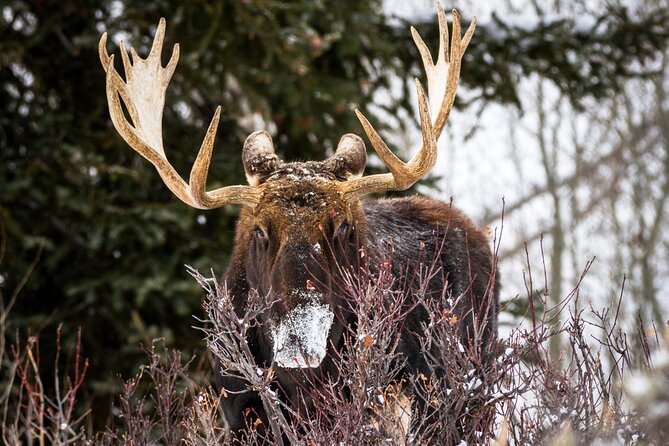
You’ll also get time to pause. The plan includes plenty of breaks, and the slower pace is on purpose: it gives you room to look around without feeling rushed. Reviews mention the opportunity to see wildlife like moose, elk, wolves, and even a porcupine—and while sightings are never guaranteed, the guide’s attention to the environment boosts your chances.
One practical benefit: even on days when the mountains are partly obscured by weather, the ecology angle still makes the tour feel rewarding. You’re not just skiing for views. You’re learning how the winter system works, and that keeps the experience meaningful even when visibility isn’t perfect.
Stop in Grand Teton National Park: What Happens During Your Time on Snow
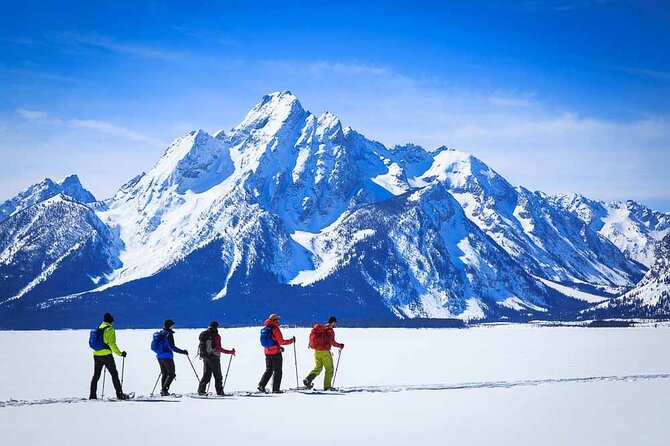
Your main time on the trail happens at Grand Teton National Park, and the session is structured to balance movement with teaching moments.
Here’s the practical rhythm you can expect:
- You start learning technique and body position so you can move smoothly.
- You then practice those skills over short segments, guided by ongoing coaching.
- Stops are built in for photos and for interpreting what you’re seeing—tracks, habitat cues, and general winter ecology.
The tour is set up so you’re not always standing still waiting for the group to catch up. You’ll be moving at a pace where it stays comfortable, but you still get enough action to feel like you did something real.
Photos are part of the plan. You’ll have opportunities to stop and capture the snowy Tetons, and because it’s not a race, your photos won’t look like you were sprinting while taking them.
A small drawback you might feel: the conditions matter. When it’s windy or visibility drops, your route selection may change to keep the experience safe and enjoyable. That’s not a flaw in the tour design; it’s good risk management. Just know it can affect how much you see of the peaks on a given day.
Wildlife, Weather, and Photo Breaks: How the Day Can Vary
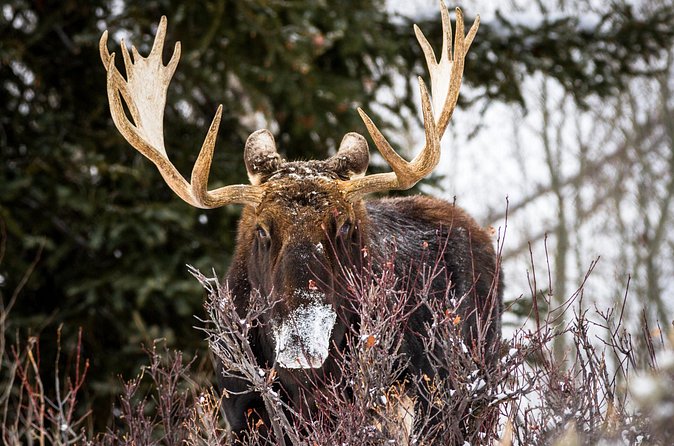
Let’s be honest: Grand Teton winter weather can be dramatic. That’s why route planning is based on weather and wind—and why this half-day tour doesn’t promise a single fixed viewpoint.
What you can count on is a guide who knows how to adjust. Even if the scenery and mountain views aren’t at their clearest, you’ll still have a full experience: technique practice, ecology teaching, and time for breaks.
Wildlife sightings are a highlight when they happen. Reviews included sightings of moose, elk, wolves, and smaller surprises like a porcupine in a tree. While you shouldn’t treat wildlife as a guarantee, you can treat the guide’s presence as a “spotting multiplier.” A guide who knows where animals might appear and what winter signs look like improves your odds.
For photography, the built-in stops are helpful. Cross-country skiing teaches you to move with purpose, but it can also create moments where you forget to look up. The tour design gives you permission to pause, breathe, and take a shot without derailing the lesson.
Price and Value in Plain Math (and What Adds On)
At $198 per person for a roughly 4-hour guided beginner experience, the baseline price can look straightforward—until you add what’s missing.
Here’s the math:
- Tour price: $198
- Nordic equipment rental: $50 per person (not included)
- Grand Teton entrance fee: $20 per person (valid for 7 days)
So if you need rental gear and you don’t already have a park pass, you’re likely around $268 per person total. If you already have a park pass, you can subtract the entrance fee portion.
Is that good value? For the Tetons, yes—because you’re buying three things:
- Transportation from Jackson to a suitable nordic area based on conditions
- Professional instruction aimed at beginners (not just a self-guided rental)
- Naturalist-guided winter interpretation, plus snacks and hot drinks
And the small group size (max 7) protects your experience. Paying for instruction in a crowded group is less effective; this format helps the coaching stay personal enough to matter.
One more small cost consideration: tips aren’t included. If you feel you got helpful, on-the-spot guidance (and most people do with beginner lessons), it’s worth planning a gratuity.
Gear Reality Check: Rentals, Skis, and What You’ll Need to Plan
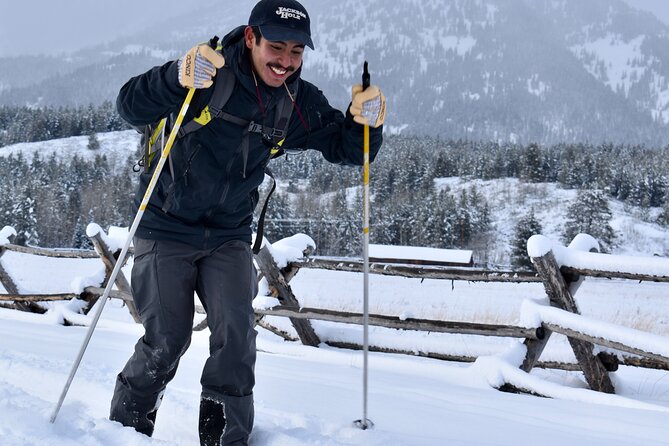
This is the part I’d call the most important logistics note. Skis and boots are not included as part of the adventure. After you book, you’ll be directed to local rental options for nordic equipment.
Plan ahead. Cross-country ski rentals can sell out around popular days, and the earlier you secure them, the less stress you’ll carry into a morning start.
What to bring is also a smart idea, even though exact clothing items aren’t listed in your tour data. Since the tour happens in winter snow in Grand Teton, think in layers and bring what keeps you comfortable while you’re moving and while you’re stopped for photos.
Service animals are allowed, and the tour is described as suitable for most travelers, with the kids note handled via private programming for ages 8 and under.
Pacing and Comfort: Leisure Activity That Still Feels Like Progress
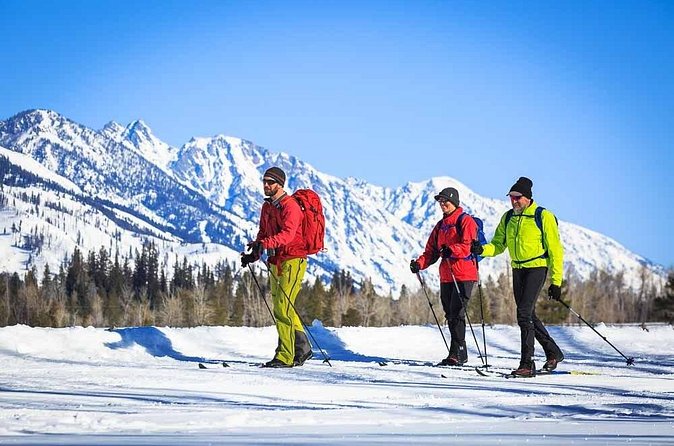
The activity level is listed as leisure, and that lines up with how a beginner tour should feel. You’re moving, learning, and building skills—but you’re not expected to be a cardio athlete.
A conversation pace matters because cross-country skiing requires coordination and balance. If you’re out of breath, you’ll miss instructions. If you’re cold and uncomfortable, you’ll stop learning. This tour’s pacing helps you stay receptive to coaching.
That’s also why the program includes snacks, water, and coffee/tea. It’s a small thing, but it keeps the experience from turning into a grumpy energy crash midway through your lesson.
Private programs are available to cater to any activity level. So if you want more time, different pacing, or a more customized coaching setup, you have options beyond the standard group format.
Who Should Book This in Jackson Hole?
I think this tour is a strong match if:
- you’re brand new to cross-country skiing and want real instruction, not trial-and-error
- you want a guided day that mixes skiing + winter ecology
- you prefer a calm pace where photos and questions fit naturally
- you like the idea of small-group learning (max 7)
It might be less ideal if:
- you already ski confidently and are chasing a longer distance training session (this is a half-day beginner format)
- you’re not willing to plan for rental gear and park fees
- you need consistent big-peak views every minute (weather and wind can shape where you ski)
If you’re traveling as a family, it’s worth noting the age rule for kids 8 and under, which pushes younger children toward the private option for comfort.
Should You Book? A Practical Decision Guide
Book this tour if your priority is learning nordic technique in a guided, confidence-building way while also experiencing Grand Teton winter through a naturalist lens. The combination of small-group instruction, ecology stops, and a leisure pace makes it feel like time well spent, even on imperfect weather days.
I’d especially recommend it if you’re new to cross-country skiing and you want to leave with skills you can repeat tomorrow—rather than just collecting a few photos and hoping you remember the basics.
If you’re on the fence, do two quick checks:
- Can you handle the total cost once equipment rental and the park fee are included?
- Have you lined up nordic equipment ahead of time?
If those are yes, you’re set up for a fun, low-stress introduction to the Tetons on skis.
FAQ
How long is the beginner cross-country skiing tour?
The tour runs for about 4 hours.
What is the meeting point in Jackson, Wyoming?
You meet at 210 N Cache St, Jackson, WY 83001, USA. The activity ends back at the same meeting point.
Are skis and boots included?
No. Nordic equipment is not included in the price. After booking, you’ll be directed to local rental options for nordic equipment, and equipment is listed as $50 per person.
Is the Grand Teton National Park entrance fee included?
No. The entrance fee is $20 per person (valid for 7 days). You can bring a park pass or purchase it on the tour.
How many people are in each group?
This program is offered as small groups with a maximum of 7 participants.
What activity level should I expect?
The tour is leisure paced. It focuses on beginner instruction with plenty of time for conversation, stops, and photos.
What happens if weather affects the tour?
This experience requires good weather. If it’s canceled due to poor weather, you’ll be offered a different date or a full refund.