REVIEW · BEIRUT
Skiing with LESA
Book on Viator →Operated by Paragliding LESA - Jounieh, Lebanon · Bookable on Viator
Skiing in Lebanon feels like a shortcut to confidence. With LESA, you get private instruction at Mzaar Kfardebian, the Middle East’s biggest ski resort, with a plan that starts with basics (or a level check) and quickly turns into slope time. I love that lessons are tailored to your level and foibles, and I like that pickup from the Beirut-Byblos area can be arranged. One thing to budget for: lift passes, ski hire, and gear rental are not included, so your total cost depends on how you set up the day.
This is the kind of ski day that also makes photos look good without you having to be a photographer. You’ll practice with the focused attention of a guide/instructor, with breaks built in so you don’t burn out on your first real snow day. Also, the schedule runs in a tight window (8:30 AM to 3:30 PM, Monday), so you’ll want to pick your timing carefully.
In This Review
- Key things to know before you go
- Mzaar Kfardebian: the ski resort that makes lessons make sense
- Private coaching: from theory and first turns to real slope practice
- Half-day (about 4 hours) vs full-day (6 to 7 hours): what changes?
- How the day starts at Mzaar: getting tickets while you get ready
- Transfers from Beirut and Byblos: worth it if you want a smooth start
- Price and value: what your $153.85 is really covering
- What to expect on the slopes: training, rests, and better photos
- Who this ski coaching is best for (and who should think twice)
- The safest way to plan your ski day: timing, equipment, and energy
- Should you book this LESA ski lesson at Mzaar Kfardebian?
- FAQ
- Is this a private tour or shared group experience?
- How long is the half-day ski training?
- How long is the full-day ski training?
- What does the $153.85 per person price include?
- Are lift passes and ski hire included?
- Can I get pickup from Beirut or Byblos?
- Where does the activity start and end?
- What happens if weather is poor?
Key things to know before you go
- Private lessons that match your level: beginners start with theory and adaptation exercises; others start with warm-up descents or a level assessment
- Mzaar Kfardebian is the draw: you’re training at the region’s largest ski resort, with more room to progress
- Built-in rest for real learning: half-day includes a shorter rest, full-day adds two breaks
- Optional transfers from Beirut/Byblos: helpful if you don’t want to handle a snowy drive and routing
- What’s extra is worth checking: admission ticket, lift pass, and ski hire are on you, not included in the lesson price
- A company known for safe, friendly guidance: LESA is repeatedly praised for keeping people comfortable and safe during adrenaline activities
Mzaar Kfardebian: the ski resort that makes lessons make sense
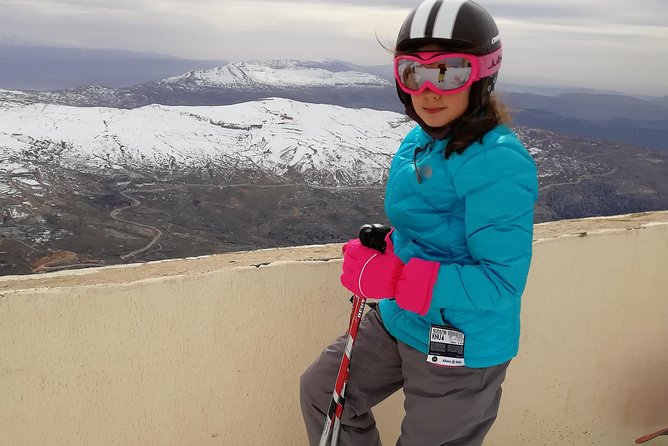
Mzaar Kfardebian is the big one in Lebanon, so it works well for coaching. When you’re learning or rebuilding confidence, you don’t just want snow. You want terrain where you can try something small, then repeat it, then gently step up difficulty without feeling rushed.
That matters because good ski improvement is mostly boring work: stance, turning basics, controlling speed, and repeating until it clicks. A large resort gives you enough consistent space to do that. You’ll be able to spend your energy on technique instead of “where do we go next?”
Private coaching: from theory and first turns to real slope practice
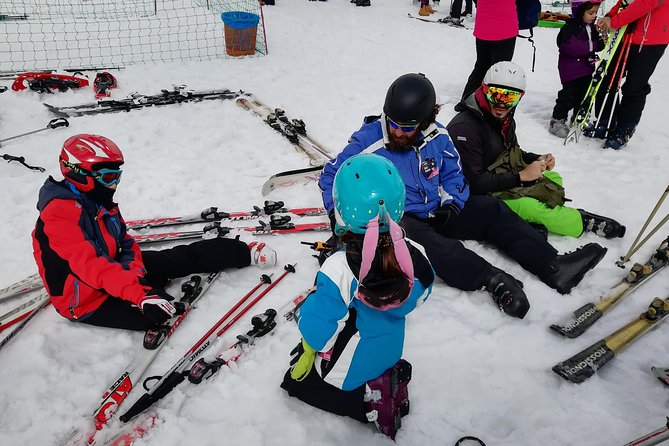
The coaching style here is straightforward: start with fundamentals, then get moving. If you’re a beginner, you begin with theory and first principles, plus adaptation exercises that help your body understand skis and balance on snow. If you already ski, the instructor can assess you on the nursery slopes before moving you to more suitable areas.
I like this structure because it stops the common beginner problem: guessing. Instead of just copying what someone else does, you get the why behind the movements, then you test it immediately. Even intermediate skiers usually have a few stubborn habits, so having someone watch and correct your “foibles” is where progress can speed up.
You’ll also get warm-up descents before you go into training proper. That’s not just to feel the cold. It’s to let you discover what your skis do when you shift weight, and to give you a baseline for what you’ll practice.
Half-day (about 4 hours) vs full-day (6 to 7 hours): what changes?
You can choose a shorter or longer training session, and the difference isn’t just time on snow. It’s how many attempts you can make at turning, speed control, and confidence-building before fatigue starts messing with your timing.
A half-day session runs about 4 hours and includes a 10–15 minute rest. That’s plenty if you’re truly at the beginning and want to leave with basics you can repeat, or if you’re already skiing and want focused coaching without the full commitment.
A full-day session runs about 6–7 hours and includes two rest breaks of about 20 minutes each. That extra time is often what separates a “we learned some stuff” day from a “my skiing feels different” day. More hours also means more chances for the instructor to spot the same mistake again and again—then help you fix it until it sticks.
One more practical note: the overall activity duration is listed as roughly 6 to 8 hours, but the lesson structure clearly supports both half-day and full-day options. Plan around whichever option you book, not around a vague time window.
How the day starts at Mzaar: getting tickets while you get ready
Your lesson starts at Mzaar Ski Resort, and the process is designed to reduce stress. If you’ve requested pickup, the instructor team will pick you up from your destination and head to the resort. Then they handle getting your tickets while you get your skis ready.
That sounds like a minor convenience, but it’s a real time-saver. On ski days, you can waste a lot of energy on logistics: finding the right counter, coordinating rentals, and getting strapped in before the good snow window closes. Here, you can focus on the snow part, while the guide handles the resort flow.
The session begins with theory and adaptation exercises for beginners, or warm-up descents for others. After that, you move into training on the slopes, with breaks planned so you’re not forcing concentration while tired.
Transfers from Beirut and Byblos: worth it if you want a smooth start
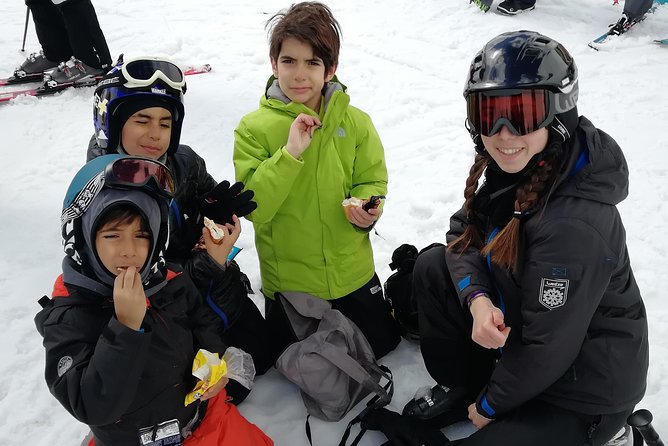
You can arrange private 2-way transfers from the Beirut–Byblos area for an additional fee. If you’re coming from outside the immediate resort area, transfers can make the difference between enjoying the day and spending it fighting timing and route questions.
Also, transfers matter more than you’d think because ski days are fragile. Weather, traffic, and late pickups can squeeze your warm-up time. When the plan includes pickup, it gives your day a spine: get to the resort, handle tickets, start coaching.
The key detail: pickup is offered, but it’s not automatically included in the base price. If you want the convenience, you’ll need to request it in advance and budget for the add-on.
Price and value: what your $153.85 is really covering
The price is listed at $153.85 per person. That base cost is for the guide/instructor, not for the resort extras.
Here’s where the value calculation becomes clear: if you’re paying for private coaching, the most important question is how quickly you’ll learn compared to figuring things out on your own. A private instructor can save time by spotting what you’re doing wrong and correcting it before you build bad muscle memory. Even a small improvement can be worth it if you only have one ski day in Lebanon.
On the other hand, you’ll still pay for things like the admission ticket (not included) and also ski hire/gear rental and lift passes (also not included). So your true total cost will be the lesson plus the resort-related items.
My practical advice: estimate your lift and rental needs first, then treat the $153.85 as the cost of paying someone to help you progress efficiently. If you’d otherwise spend the day renting gear, wandering slopes, and trial-and-error turning, private coaching is usually the more controlled way to get value out of one snowy outing.
What to expect on the slopes: training, rests, and better photos
The day is built around practice, not just a scenic walk. After the initial theory and warm-ups, you’ll be on the slopes training. The breaks are meaningful because skiing learning is physical and attention-heavy. You need that pause to reset your legs and your brain, so your next run actually improves.
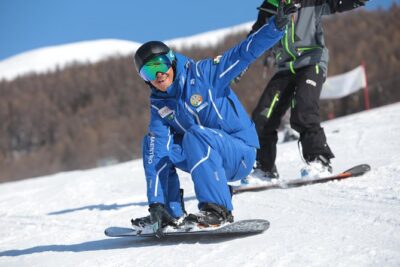
You’ll also be in full ski gear, which makes photos look great even if you’re not trying to pose. The mountain snowscapes at Mzaar give you that cinematic backdrop, and the fact you’ll be fully dressed in gear means you can get memorable shots without worrying about finding the right outfit.
Snacks aren’t included, so if you tend to get hungry, bring a plan. You’ll feel it in the last hour if you only rely on resort food lines or vending snacks.
Who this ski coaching is best for (and who should think twice)
This experience says most people can participate, and the structure makes it friendly for beginners. If you’re brand new, the theory-first approach and baby-slope start give you a real foundation before you move to harder terrain.
It also works if you’re not new but feel stuck. Private coaching is ideal when you know you can do the basics but you can’t smooth out speed control or turning consistency. Because the instructor can assess you on nursery slopes, you’re not thrown into the wrong difficulty level.
Where you should think twice is around budget expectations. Because lift tickets and gear rental are separate, your total spend can surprise you if you assume the base price covers everything. Also, this activity runs in a limited window (8:30 AM–3:30 PM on Monday), so don’t book it casually if you have tight plans later that day.
The safest way to plan your ski day: timing, equipment, and energy
Even without extra details beyond what’s provided, ski lessons have a universal rule: show up ready to move. Wear warm layers under your ski gear, and plan for the fact that cold air and wind will drain energy fast, especially at higher altitude.
Because the instruction includes rest breaks, you can plan to hydrate and reset during those gaps. Use the rest time to stretch, warm up gloves if needed, and mentally pick what you’ll focus on for the next run.
If you’re booking with pickup, be ready a bit earlier than you think. Ski days rarely reward being late, and arriving calmer helps you get into the lesson faster.
Should you book this LESA ski lesson at Mzaar Kfardebian?
If you want faster progress than self-guided skiing, I think this is a strong choice. Private coaching at a major resort is one of the most efficient ways to turn one ski day into real skill gains. The beginner-to-intermediate structure also helps you avoid the frustration of starting on terrain that’s too hard or practicing the wrong things.
Book it if:
- you value one-on-one coaching over guessing your way through turns
- you’re okay paying extra for lift tickets and ski hire because the lesson is the main value
- you want an organized plan that includes a warm-up, training time, and planned rests
Skip it (or at least adjust expectations) if:
- you need everything fully bundled into one price
- you’re only looking for a scenic outing rather than technique practice
- you’re traveling on a schedule that can’t fit the resort hours
FAQ
Is this a private tour or shared group experience?
It’s a private tour/activity, so only your group will participate.
How long is the half-day ski training?
Half-day training is about 4 hours, including a 10–15 minute rest.
How long is the full-day ski training?
Full-day training is about 6–7 hours, with two rest breaks of 20 minutes each.
What does the $153.85 per person price include?
It includes the guide/instructor. Lift tickets/admission and ski hire/gear rental are not included.
Are lift passes and ski hire included?
No. Lift passes and ski hire/gear rental are at your expense.
Can I get pickup from Beirut or Byblos?
Yes. Private 2-way transfers from the Beirut–Byblos area are available on request for an additional fee.
Where does the activity start and end?
It starts at Mzaar Ski Resort (XRVV+47H, Kfardebian, Lebanon) and ends back at the meeting point.
What happens if weather is poor?
This experience requires good weather. If it’s canceled due to poor weather, you’ll be offered a different date or a full refund.
If you tell me your current skiing level (brand-new, some control, or comfortable on blues), I can help you choose half-day vs full-day so you get the most learning per dollar.